If you're thinking about starting martial arts, one of the hardest questions isn't “Should I train?” it's “Which martial artshould I choose?”
At Exeter Martial Arts, we deliberately offer several different disciplines because people come through our doors with very different goals.
Some want to learn practical self-defence. Some want to compete. Some want to get fitter. Some want to build confidence. Some are fascinated by traditional Japanese martial arts. Others simply want to learn something new and train with good people.
There isn't one martial art that does everything.
The best choice depends on what you want from your training.
At EMA you can explore Brazilian Jiu Jitsu, Kickboxing,Traditional Japanese Jiu Jitsu, Kenjutsu and Tai Chi, with opportunities to develop from beginner through to advanced level.
🥋 Brazilian Jiu Jitsu
Great for: grappling, ground fighting, fitness,problem-solving and competition.
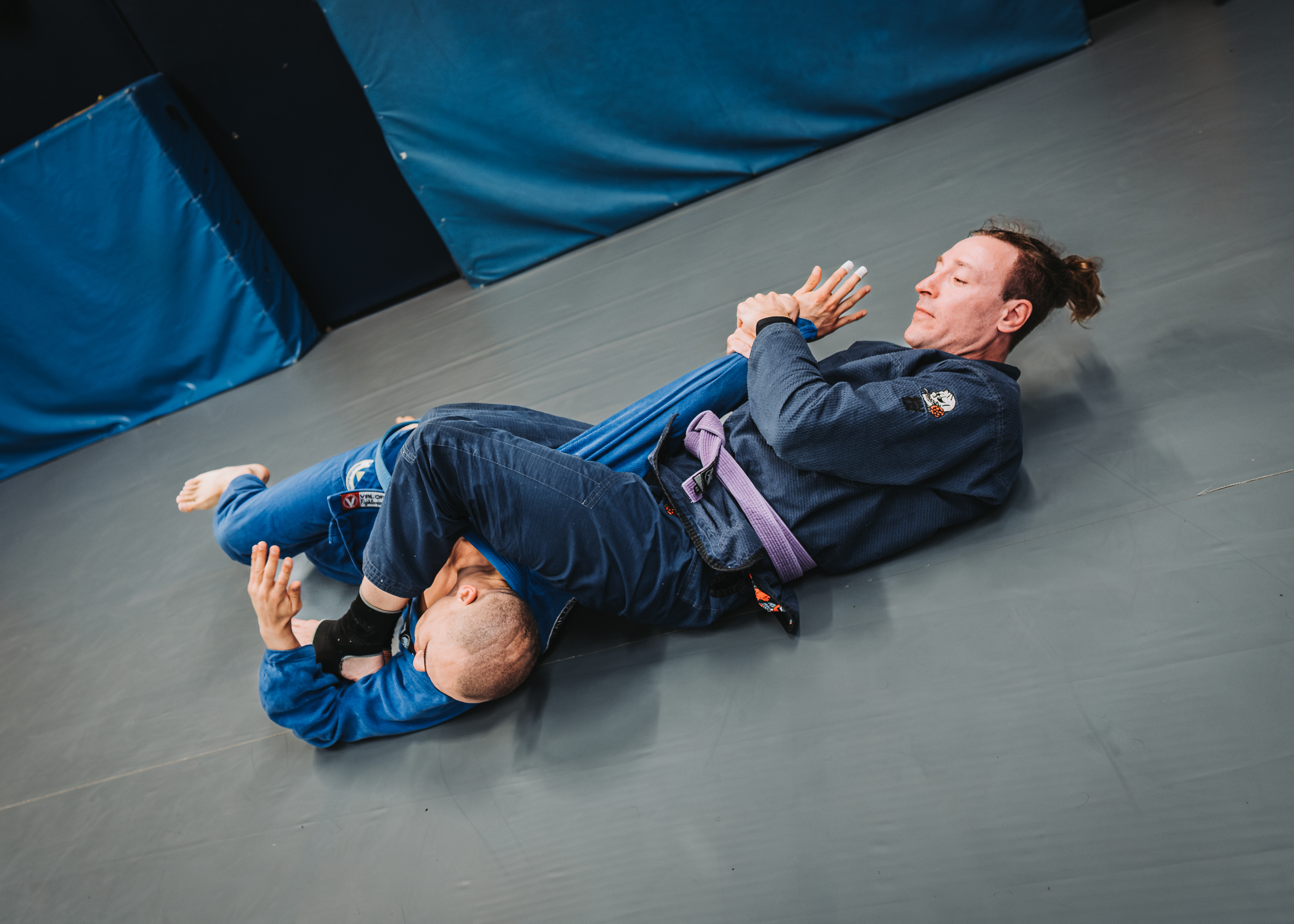
Brazilian Jiu Jitsu is a grappling art centred around controlling an opponent, positional movement, escapes, takedowns and submissions.
There is no striking, so training can involve a high levelof live resistance while keeping the focus on grappling.
One of the things many people enjoy about BJJ is theproblem-solving element.
You aren't simply memorising techniques.
Your training partner is actively trying to stop you.
That means you learn to adapt, make decisions under pressureand use technique against resistance.
BJJ can be particularly appealing if you:
enjoy close-contact training
like problem solving
want a challenging physical workout
are nterested in grappling or ground fighting
want the option of competition
enjoy training with live resistance
For self-defence: BJJ develops useful skills incontrolling, escaping and grappling with another person. However, like anysport-based training, it operates within rules designed to make training and competition possible, so real-world situations can contain circumstances thataren't represented in a BJJ match.
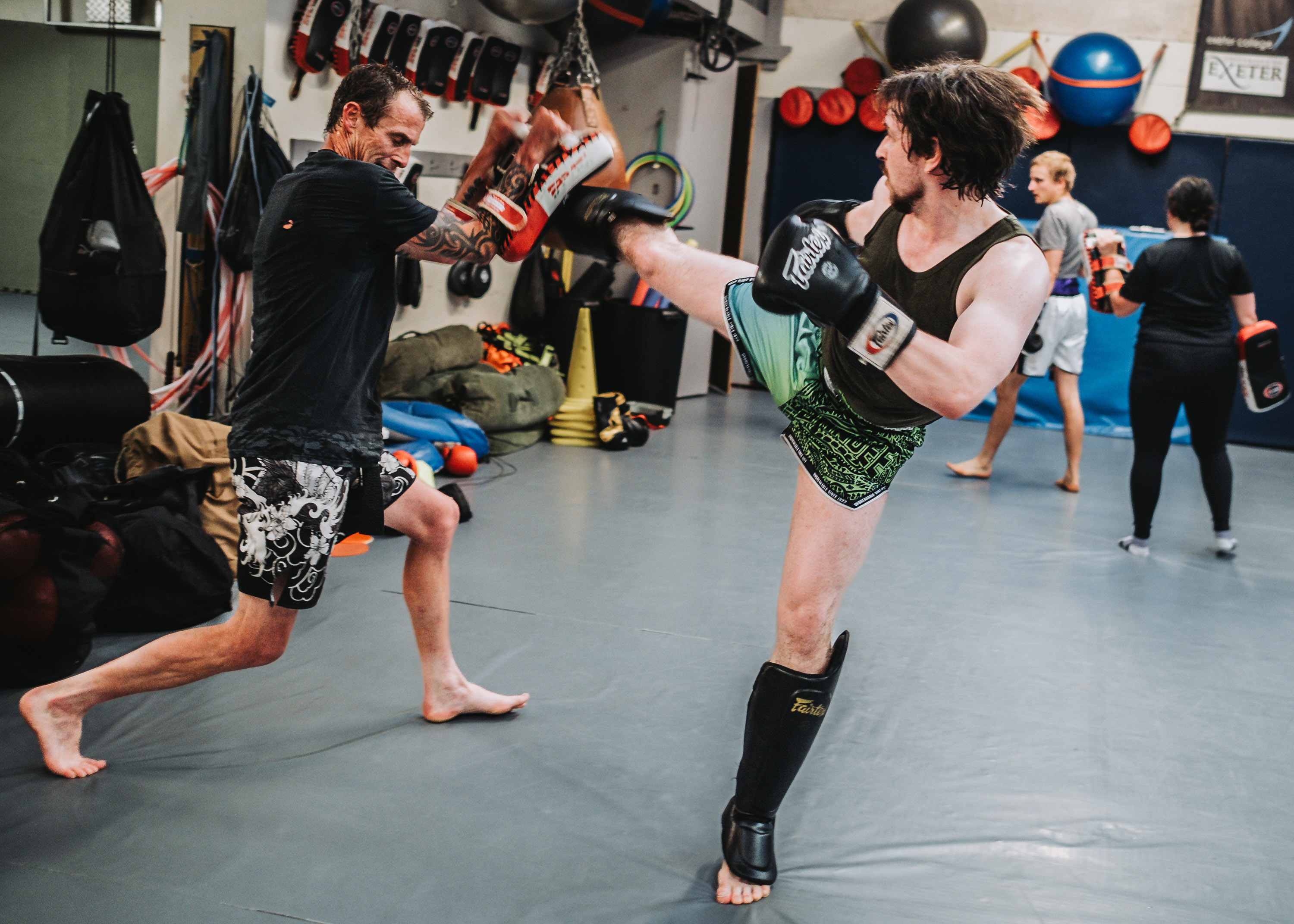
🥊 Kickboxing
Great for: fitness, striking, confidence,conditioning and competition.
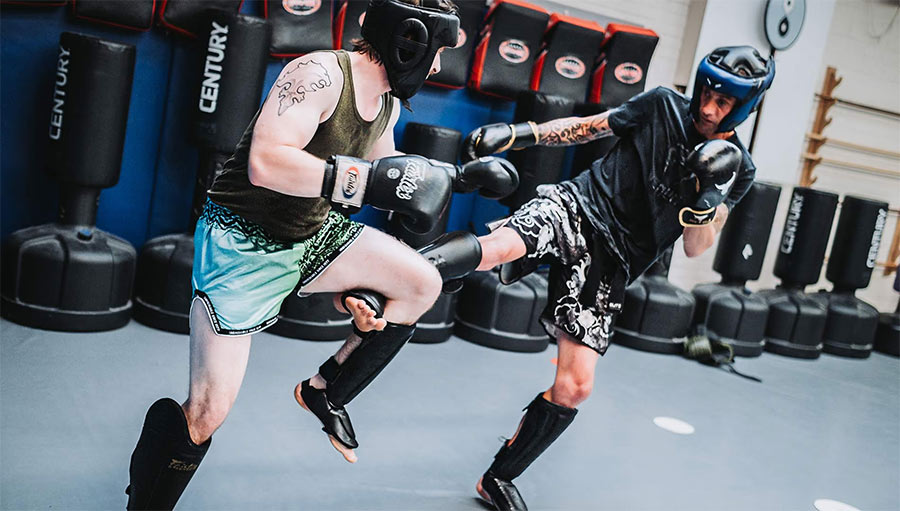
Kickboxing develops striking skills using punches, kicks,combinations, footwork, defence and movement.
At EMA, kickboxing training can be physically demanding but it is also highly adaptable.
You don't need to arrive already fit or athletic.
You develop your fitness through the training.
For many people, one of the biggest attractions is simplythe feeling of getting better.
A combination that initially feels impossible eventually becomes automatic.
Kickboxing can be particularly appealing if you:
want to improve your fitness
enjoy striking and pad work
want a high-energy workout
like learning combinations
want to develop confidence
are interested in competing
For self-defence: kickboxing develops striking,movement, distance management and the ability to perform physical skills underpressure. As with any combat sport, training takes place within a ruleset and controlled environment.
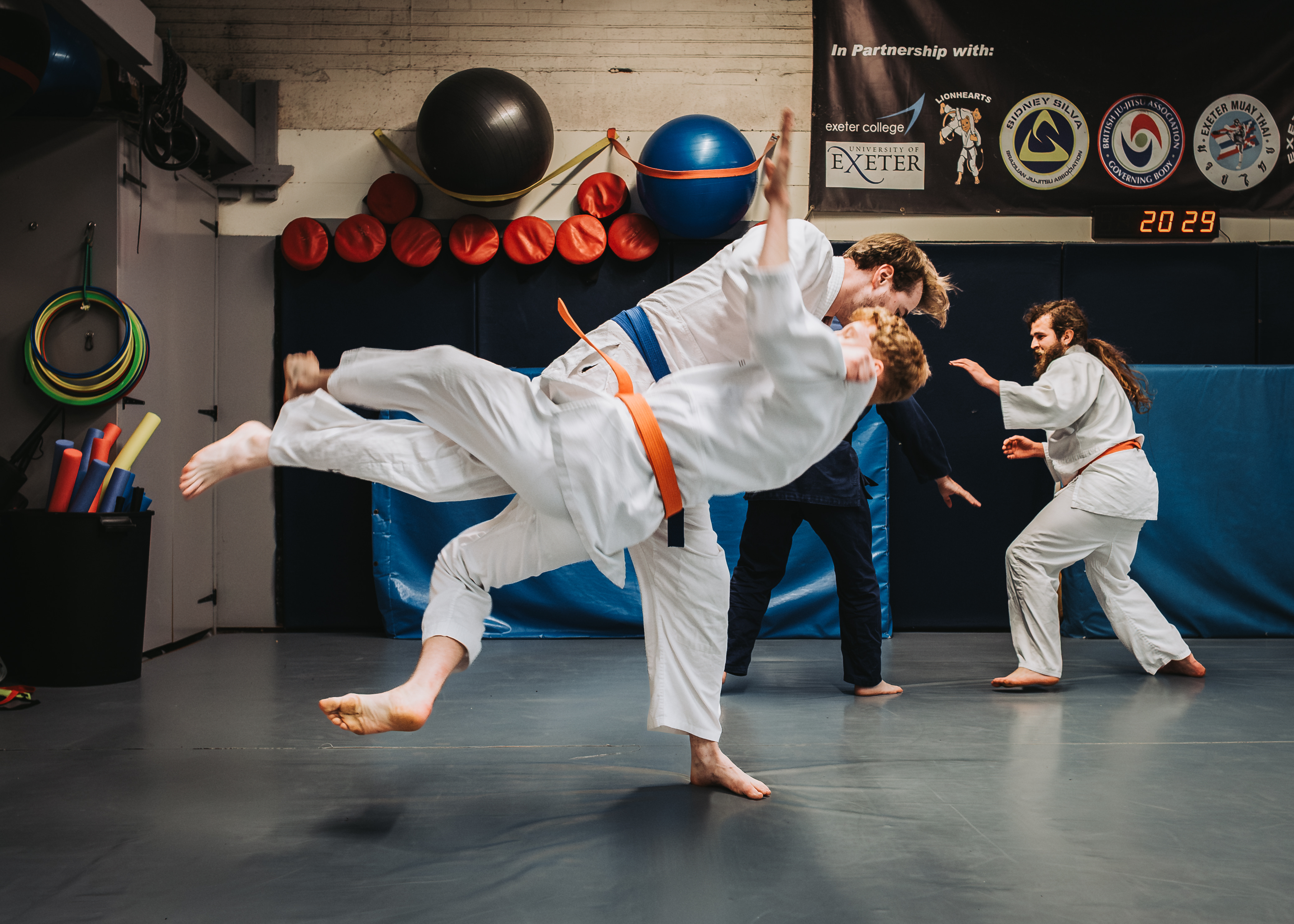
🥋 Traditional Japanese Jiu Jitsu
Great for: self-defence, traditional martial arts,varied techniques and long-term development.
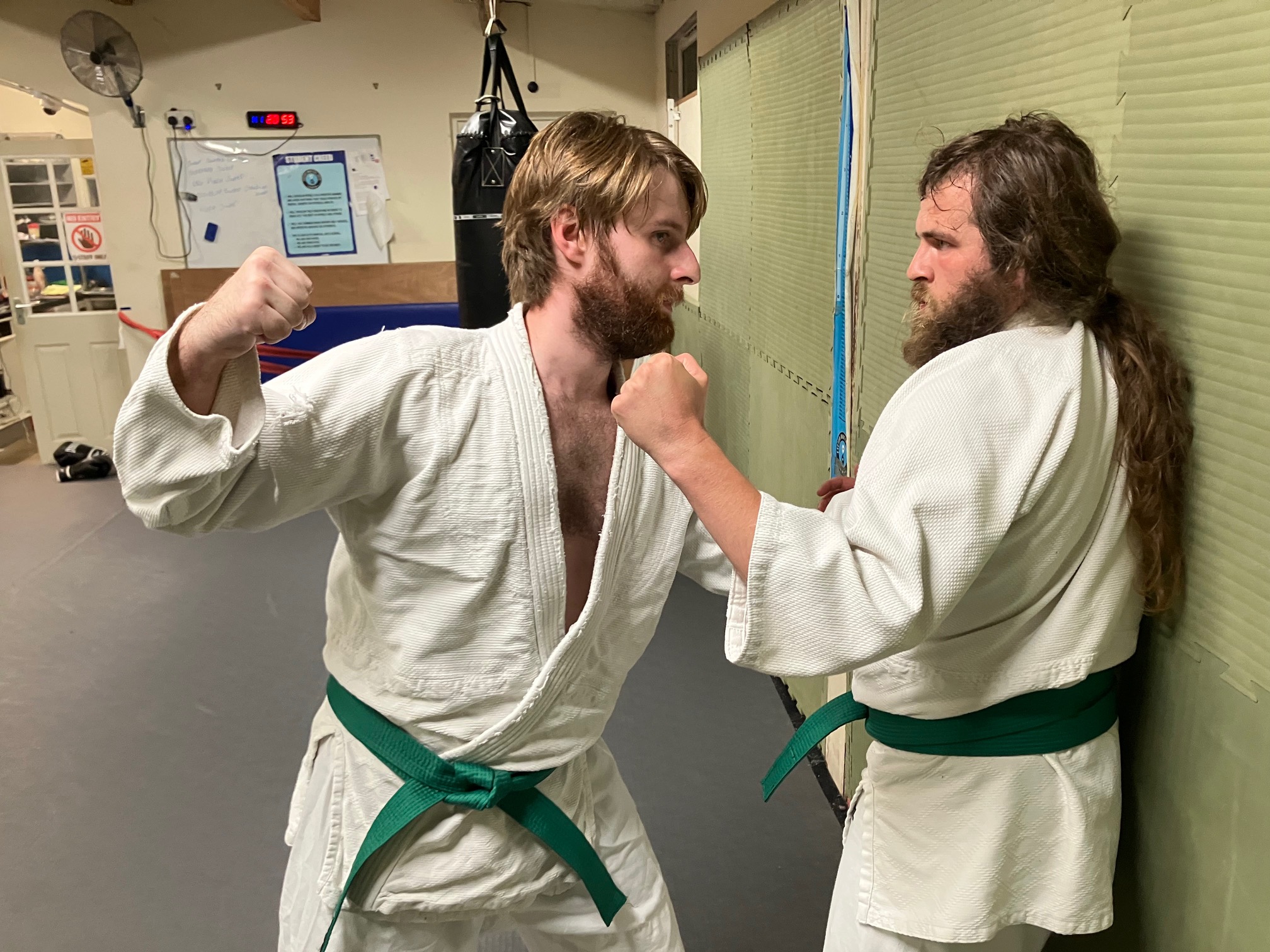
Traditional Jiu Jitsu is very different from BJJ despitesharing some historical roots.
Rather than concentrating primarily on sport grappling,traditional Jiu Jitsu encompasses a broader range of skills.
Depending on the syllabus, training can include:
striking
blocks and evasion
throws
locks
takedowns
escapes
groundwork
pressure points
weapons
Japanese martial arts principles
There is also a strong emphasis on martial awareness,control and application.
For someone who wants to explore a broader martial artscurriculum rather than specialise in one competitive ruleset, this can be anattractive option.
Traditional Jiu Jitsu can be particularly appealing if you:
are interested in self-defence
want a broad martial arts syllabus which covers all ranges
enjoy traditional Japanese martial arts
want to learn both standing and ground techniques
are interested in weapons as part of martial arts training
enjoy progressing through a structured syllabus
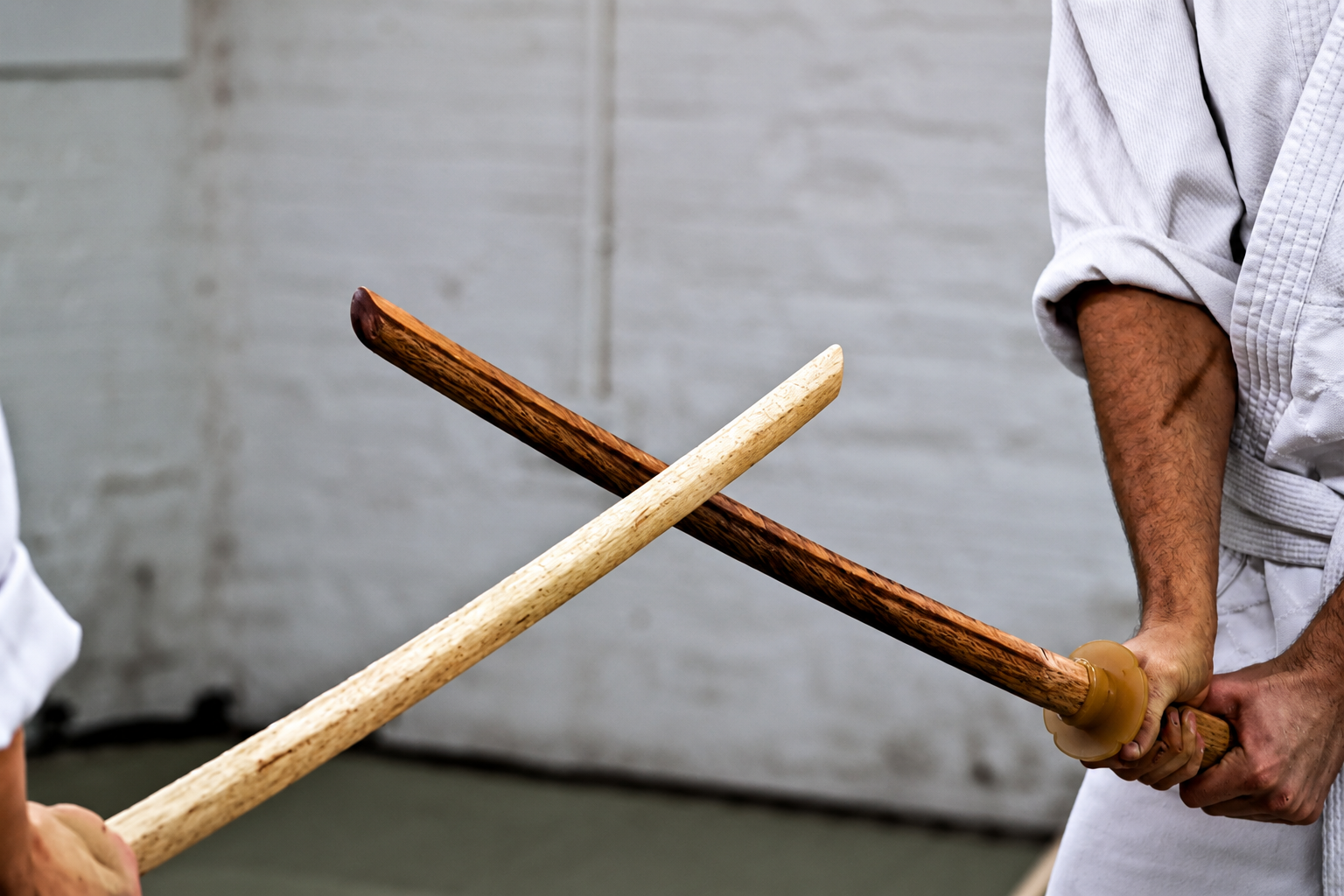
⚔️ Kenjutsu
Great for: traditional Japanese martial arts, weapons training, discipline and history.
Kenjutsu is the study of Japanese swordsmanship.
At EMA, it provides an opportunity to train in a completely different movement environment from BJJ or Kickboxing.
Training develops:
posture
distance
timing
precision
coordination
awareness
discipline
traditional Japanese martial arts etiquette
For some people, this is exactly what they have been lookingfor.
For others, it becomes an unexpected part of their martialarts journey.
And importantly, you don't have to be interested in becominga "samurai" to enjoy it!
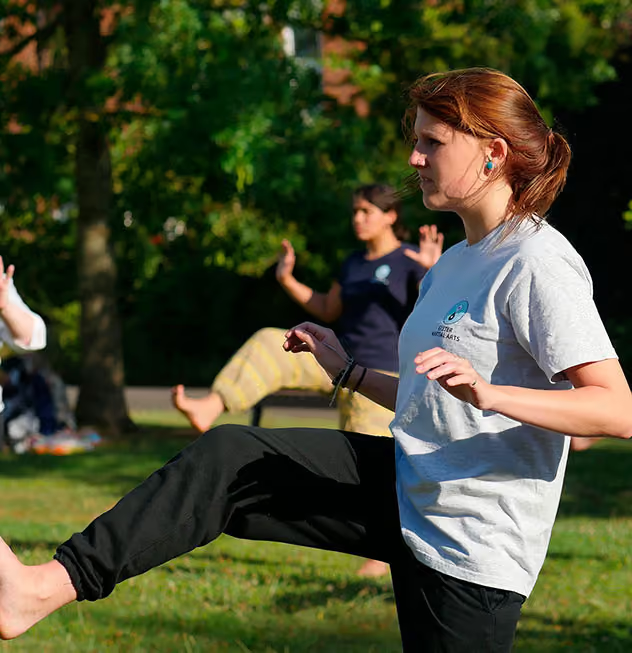
🌿 Tai Chi
Great for: movement, balance, relaxation,coordination and long-term wellbeing.
Tai Chi offers a very different training experience.
The movements are slower and more controlled, with an emphasis on posture, balance, breathing, coordination and body awareness.
It can provide a useful contrast to the intensity of BJJ andKickboxing.
But Tai Chi shouldn't simply be dismissed as "slow exercise".
Traditional Tai Chi also contains martial applications andprinciples involving movement, balance, positioning and control.
Tai Chi can be particularly appealing if you:
want a lower-impact martial art
want to improve balance and coordination
enjoy traditional Chinese martial arts
want to explore movement and body awareness
prefer a calmer training environment
are interested in the martial applications behind Tai Chi
So which one should you choose?
Rather than asking:
"Which martial art is best?"
Ask:
"What do I want from my training?"
If you want... You might enjoy...
Ground fighting & grappling BJJ
Striking & fitness Kickboxing
A broad martial arts syllabus Traditional Jiu Jitsu
Traditional Japanese swordsmanship Kenjutsu
Balance, movement & wellbeing Tai Chi
Competition BJJ / Kickboxing
A broader self-defence curriculum Traditional Jiu Jitsu
A physically demanding workout BJJ / Kickboxing
Traditional martial arts culture Jiu Jitsu / Kenjutsu / Tai Chi
But these aren't rigid boxes.
One of the advantages of training at EMA is that you don't necessarily have to choose just one.
Someone might train BJJ twice a week and discover they enjoy Kickboxing.
A Kickboxer might become fascinated by traditional JiuJitsu.
A Jiu Jitsu student might take up Kenjutsu.
And someone who starts Tai Chi for movement and wellbeing might eventually become interested in its martial applications. There a so many fantatsic options here at EMA
What about self-defence?
Different martial arts develop different skill sets.
Combat sports such as BJJ and Kickboxing deliberately develop skills through live training and competition rules.
Traditional martial arts can provide a broader curriculum that may include skills and scenarios outside a sporting ruleset.
In fact, cross-training can be incredibly valuable.
A martial artist who understands striking, grappling,movement, control and distance has experience across a wider range of trainingenvironments.
But the important thing is that students understand what they are training for and what their particular discipline does and doesn'tcover.
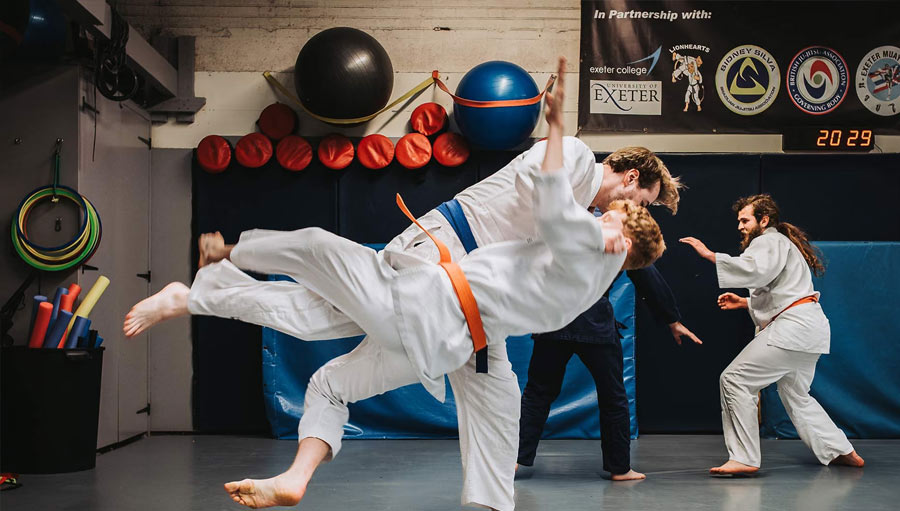
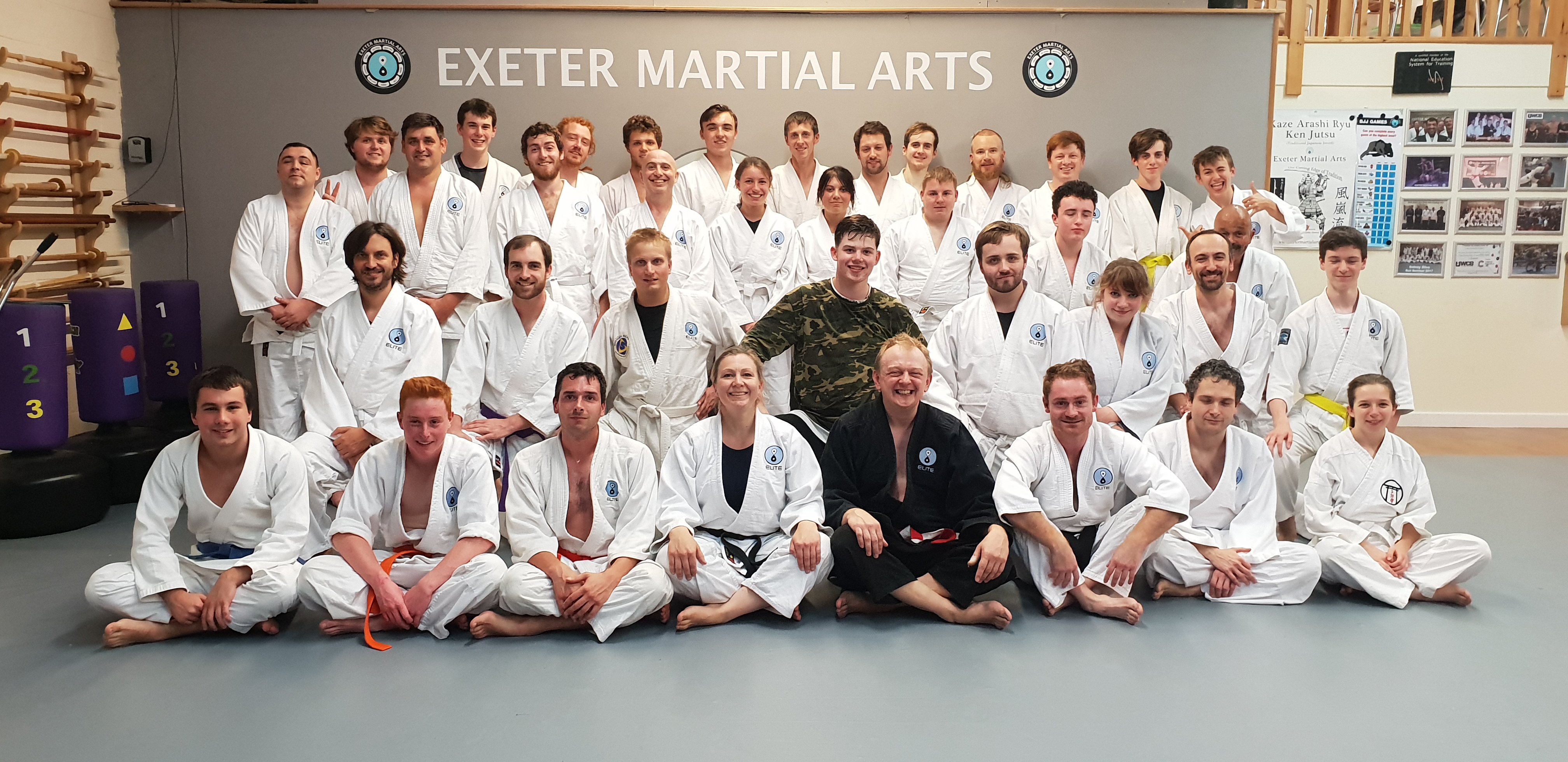
Our Traditional Jiu JItsu team :)
Stay up to date
Latest from EMA
From Leicester to the BVI and Back to EMA: Costin Joins Our Team
A Shodan Black Belt arrives to develop as an instructor and learn how to run a professional martial arts academy.es


.jpeg)